Keep a beach picnic low-waste without carrying too much
· Editorial team sandiegonewslisa.com
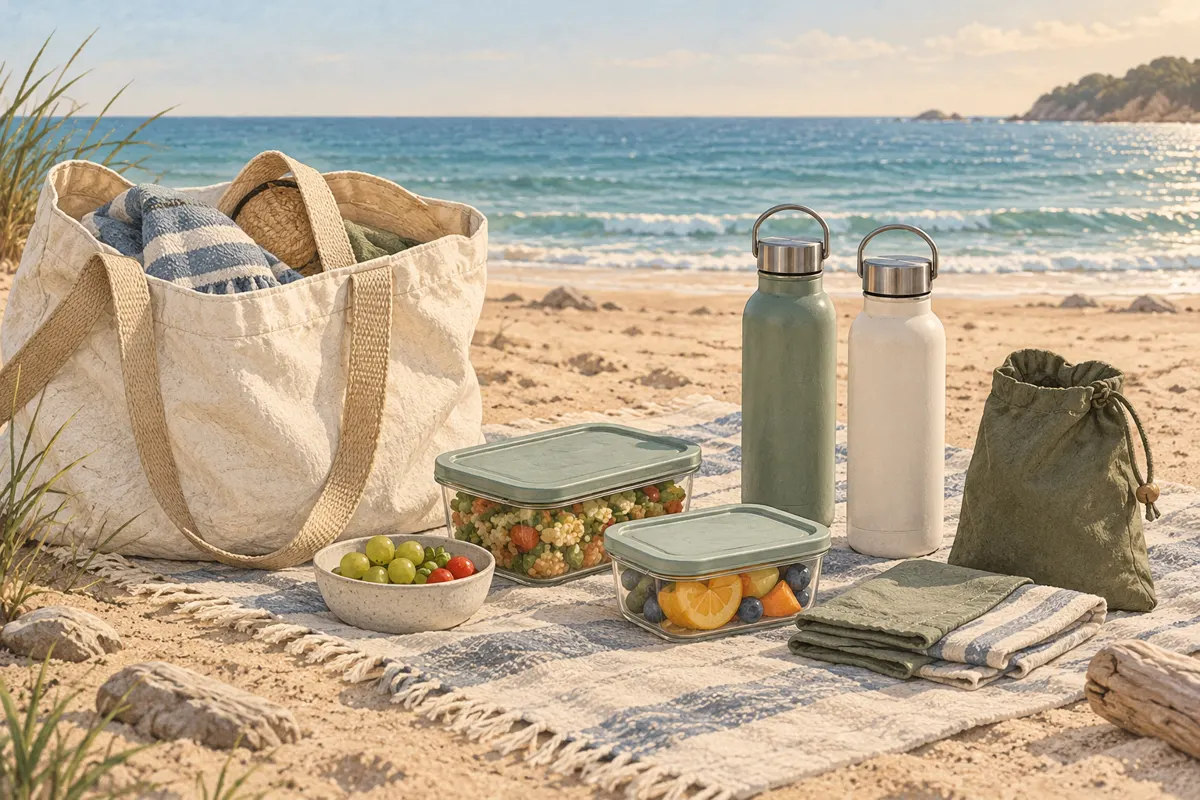
For a low-waste beach picnic for two, pack a simple meal in reusable containers you can eat from, bring refillable water bottles and cloth napkins, and reserve a sealed bag for rubbish. Keep the load manageable by skipping separate serving dishes and choosing food that needs little cutlery. The proposed one-tote checklist below gives each item a job, including on the journey home.
Build the meal around two portions
Start with what the two of you expect to eat, rather than a collection of picnic extras. Finger foods simplify the setup because they need fewer utensils and serving dishes. Prepare sandwiches, fruit or snacks at home and put them in reusable containers instead of packing individually wrapped portions.
Our proposed menu is one sandwich or wrap per person, a shared portion of fruit and one small snack. Adjust those portions to your appetites and the length of the outing. Take a snack from an open packet at home before opening something new, and avoid adding several alternatives just because they might be wanted.
Choose the menu before choosing the containers. If you add a dip, include a small sealed pot; if nobody wants a dip, leave that pot behind. Leave enough space in the food containers to close them around anything uneaten.
Give every reusable item a job
Use containers and utensils you already own. Lightweight, nonbreakable containers are practical for the beach; glass adds weight and creates a breakage concern. Eating directly from food containers also removes the need for separate plates.
- Two lightweight lidded food containers, or one divided container you can comfortably share.
- One small reusable pouch for a shared snack, only if it does not fit with the meal.
- Two filled refillable water bottles; omit cups if you will drink from the bottles.
- Two cloth napkins and only the utensils the menu requires.
- One compact sitting cloth or towel.
- One sealable bag for rubbish and food scraps, kept separate from edible leftovers.
- An insulated pouch and cold packs if your chosen food needs chilling.
Treat this as the picnic kit, then check space for personal essentials. Cut optional serving pieces before cutting drinking water or necessary cooling.
Pack for the walk and the return trip
Food that needs refrigeration needs a suitable cooling arrangement. An insulated pouch with cold packs can sit inside the tote. Return food to it after serving; shade alone is not a replacement for chilling.
- Check that each food lid and bottle cap closes securely.
- Place the heavier containers and cooling pouch low in the tote, keeping soft food away from pressure.
- Keep bottles upright and position napkins where you can reach them without unpacking everything.
- Fold the empty rubbish bag near the top so cleanup supplies are easy to find.
- Lift the packed tote and walk a few steps at home. Remove optional extras if carrying it feels awkward.
Open less at once when it is windy
Beach wind makes loose bags, wrappers and lightweight picnic pieces difficult to manage. Keep food covered between servings and stay with the picnic rather than leaving an exposed spread unattended around birds.
- Open one container at a time and take out only what you are about to eat.
- Put loose lids inside the tote instead of laying them on the sand.
- Keep spare napkins tucked away and secure the sitting cloth with your filled tote.
- Close the rubbish bag after each use, including when it contains only a small wrapper.
Bring everything back and reset the kit
Pack out food scraps as well as packaging, including fruit peels and cores. Seal edible leftovers in their original containers, keeping chilled food with its cooling supplies. Put rubbish in its separate bag and close dirty containers so residue stays inside.
Before leaving, check beneath the sitting cloth and around the tote for small pieces. At home, sort waste for the disposal options available to you, wash the containers and napkins, and let them dry before storing them.
For the next outing, our proposal is to remove anything you carried but never used and adjust food portions to what you actually ate. Keep the cleaned kit together so packing requires fewer decisions.